Against violence against women: respect begins every day
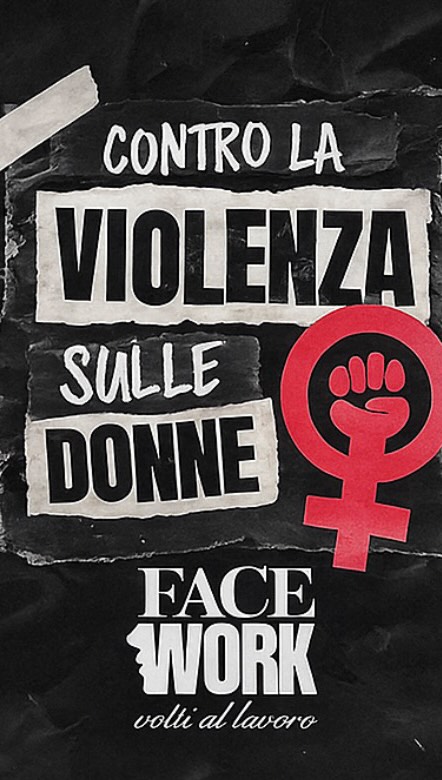
Respecting one's body, choices, and personal boundaries is a daily responsibility. On the eve of November 25 , 2025 , FACEWORK dedicated a communication to combating violence against women, with a clear message: no justification can make violence acceptable.
Recognizing what is normalized
Controlling relationships, jealousy presented as proof of love, humiliation, and insults can all be minimized in everyday language. Naming them helps break that normalization and take the discomfort of those experiencing them seriously.
The FACEWORK campaign draws precisely this attention: gender violence should not be romanticized, and respect does not depend on a person's willingness to justify behaviors that hurt them.
Listening without taking over
Respect means recognizing the freedom to say no, to change one's mind, and to ask for support. Listening also means respecting the person’s pace: a story shouldn't become a request to immediately prove everything or make a decision to please the listener.
For those working in helping relationships, it's important to distinguish a willingness to listen from specialized intervention. Referring people to competent services allows them to connect human attention with qualified support.
A position that continues beyond November 25
The International Day for the Elimination of Violence against Women offers a public space to discuss this issue. The November 24 2025 communication fits into this context and outlines the cooperative's position, not the launch of a new anti-violence service.
This focus is connected to FACEWORK 's work on equal opportunities : respect concerns both relationships in services and working conditions within the organization.
Where to find qualified help
1522 is the public helpline against violence and stalking: free of charge, available twenty-four hours a day, with specialised female operators. Chat is also available on the service’s official website.
In a situation of immediate danger, call 112. These numbers allow you to contact the relevant services; you don't need to go through the cooperative to contact them.