 Migrant reception in Turin and its province
FACEWORK supports migrant reception in Turin and the surrounding province with FACEHUMANITY , a project in the Extraordinary Reception Centers (CAS) for asylum seekers. This dispersed reception in apartments combines housing, relationships, access to services, and pathways to independence.
Understanding a message, getting to an appointment, finding the right words to ask for help. When arriving in a new country, even these gestures require a point of reference. FACEWORK 's work begins here: listening, guiding, and accompanying the person as they become familiar with their daily lives.
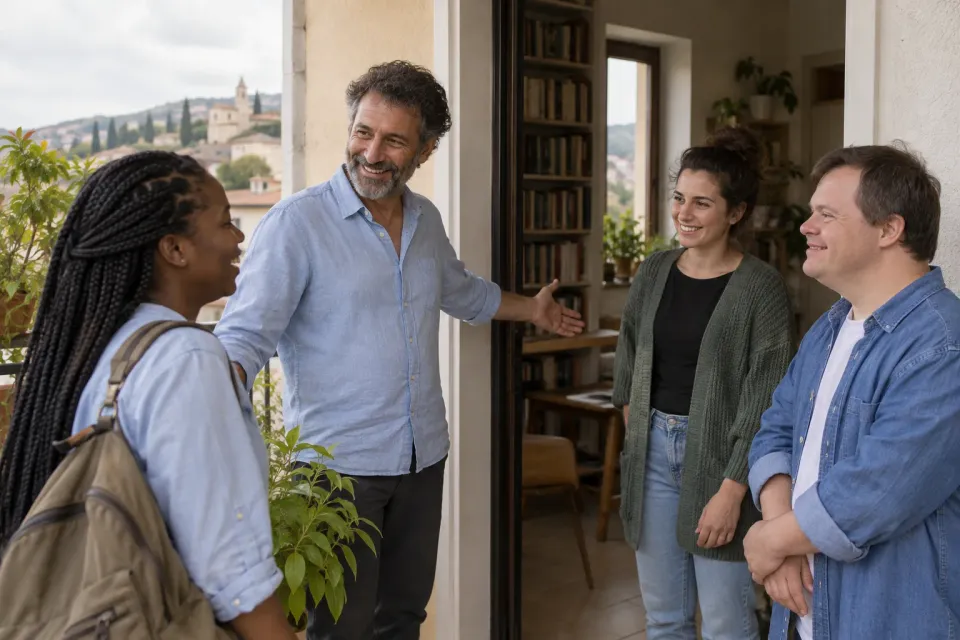
Image Info · AI
AI-generated illustration. The people depicted are imaginary.
Reception for asylum seekers: the first meeting
Each person brings with them experiences, skills, and expectations. Arrival raises concrete questions: how to navigate, what documents to prepare, who to contact, how to communicate a need. Listening helps you understand where to start and which steps require support.
Our project connects these needs with the professionals' work: daily assistance, mediation, social support, and orientation. The tasks are diverse and contribute to the continuity of support. Carefully explained information or a jointly arranged appointment makes what comes next easier to understand.
The starting point is the individual, with their time and resources. From this discussion, goals and activities tailored to their situation are developed.
Dispersed reception in apartments
Dispersed reception takes place in apartments located throughout the community. Living there means becoming familiar with the spaces, sharing the rules of coexistence, getting to know the neighborhood, and understanding how to reach services. The home becomes the starting point for orientation.
Food, basic necessities, hygiene, and maintenance are all part of the organization of reception. Beyond the daily routine, there are supplies to be arranged, spaces to be maintained, and practical issues to be addressed. Maintenance and attention to safety support the work of those who live and work in the accommodations.
Learning to use public transportation and organize a trip is also an important step. Accompaniment helps you learn about routes and services, so that you gradually become more familiar with the area.
Italian and linguistic mediation
Language permeates every moment of the day: reading a notice, speaking to an office, understanding a request, expressing a preference. The Italian curriculum and linguistic and cultural mediation help give meaning to information and make dialogue possible.
Supporting a process also means explaining its purpose, the steps it involves, and how to prepare. Documents, appointments, and communications are handled together with the person. Understanding the rules and services is part of the journey toward more informed choices.
Access to digital resources can also support this work: studying, searching for information, and staying in touch with loved ones. Guidance on using them is intertwined with learning and the needs of everyday life.
Learn more about our linguistic and cultural mediation service in Turin and our support for documents and procedures .
Health, school and family life
Taking care of yourself in a new context requires clear information and helpful references. Assistance with healthcare services includes guidance on registration, a general practitioner, and appointments. Mediation can help explain a need and understand the instructions received.
Attention to vulnerable situations and emotional well-being is part of the project. Social support and referral to professionals with the appropriate expertise help address needs that require listening and confidentiality.
For families, daily life also includes school, childcare services, and pediatrics. Preparing for registration, understanding school communications, and organizing commitments are all aspects of support. Children's rhythms and needs require specific attention, along with those of the adults who care for them.
Training, work and autonomy
People arrive with knowledge and skills acquired through work, study, and life. Recognizing these is the first step in orientation: listening to their experiences, understanding their interests, and identifying what can be developed in the new context.
Italian, training, CV preparation, and opportunity research are intertwined. The project includes orientation to courses and career paths, focusing on concrete opportunities and individual circumstances. Support also includes understanding the commitments and administrative steps involved in these choices.
Participation in cultural, recreational, and sports activities offers additional opportunities to explore the local area and build relationships. Studying, working, and socializing can contribute to the journey toward independence, with different timeframes for each individual. Opportunities depend on context, and orientation does not guarantee employment.
Inside an afternoon of resumes and job searches · Before entering the classroom
Discover the training and job orientation path for the people welcomed .
Team, method and digital tools
Support requires organization: planning activities, distributing tasks, coordinating shifts, and sharing necessary information. Team discussion connects what emerges in daily life with the decisions to be made and the steps still to be taken.
Some of the work remains behind the scenes: preparing goods, following deadlines, recording activities, checking documentation, and addressing space requirements. Management software supports the organization and monitoring of the service; individual information is handled internally.
Risk prevention, staff training, maintenance, and emergency preparedness are integral to the work process. Caring for the conditions in which we operate supports continuity in reception and the care we provide for our guests.
Autonomy is built over time
Understanding a message, reaching a service, handling an administrative procedure with greater awareness: these are examples of the steps our support aims to help people take. What each means depends on the person’s history, needs, and possibilities.
For FACEWORK , sharing the project means making this daily work visible. Documented activities help people understand the service; understanding changes in people’s lives also requires listening and assessment over time. Autonomy remains the horizon of the journey, to be built together and with respect.
How to access and request information
How do you access a CAS in Turin?
CAS are Extraordinary Reception Centers. Admission to the FACEHUMANITY project is through assignments by the Turin Prefecture, according to the reception system procedures. Contacting FACEWORK is for information about the project and does not constitute a reservation.
In which municipalities does FACEWORK work?
The distributed reception project is present in Turin, Orbassano, Rivalta di Torino, La Loggia, and Airasca. The map of the area shows the municipalities involved; the addresses of the apartments and information on the people hosted remain confidential.
What support does the project offer?
The program combines home life with Italian, mediation, orientation to health and education services, documentation, training, and job search. The team organizes activities based on the individual's needs and situation, using the FACEWORK method .
How to contact the cooperative?
For project information, collaborations, or service requests, you can find email, phone, and location information on the FACEWORK Turin Contact page. Appointments are required. To enter the CAS, you must follow the Prefecture's procedures.
Between Turin
and province.
Living, learning about services, building relationships. Dispersed reception connects home life with school, healthcare, language, and work.
The presence of staff, mediation, and relationships with organizations, associations, and volunteers accompany these steps.
Let's talk about receptionIllustrative representation of the network in the municipalities where we operate. Positions and trajectories are schematic.
Cartography adapted from ISTAT · CC BY 4.0.Where we are present
- Turin
- Orbassano
- Rivalta di Torino
- La Loggia
- Airasca
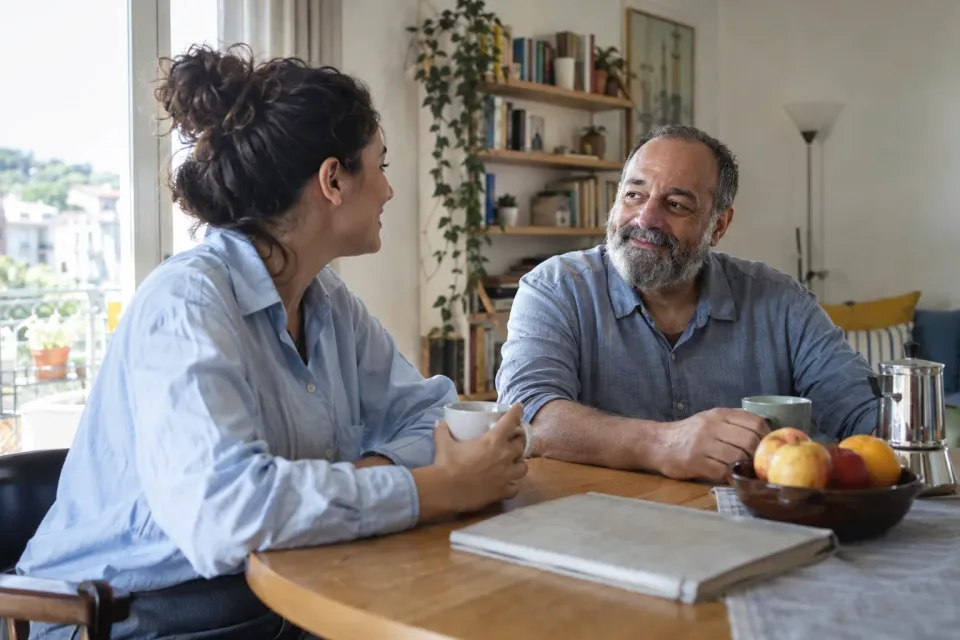
Image Info · AI
AI-generated illustration. The people depicted are imaginary.
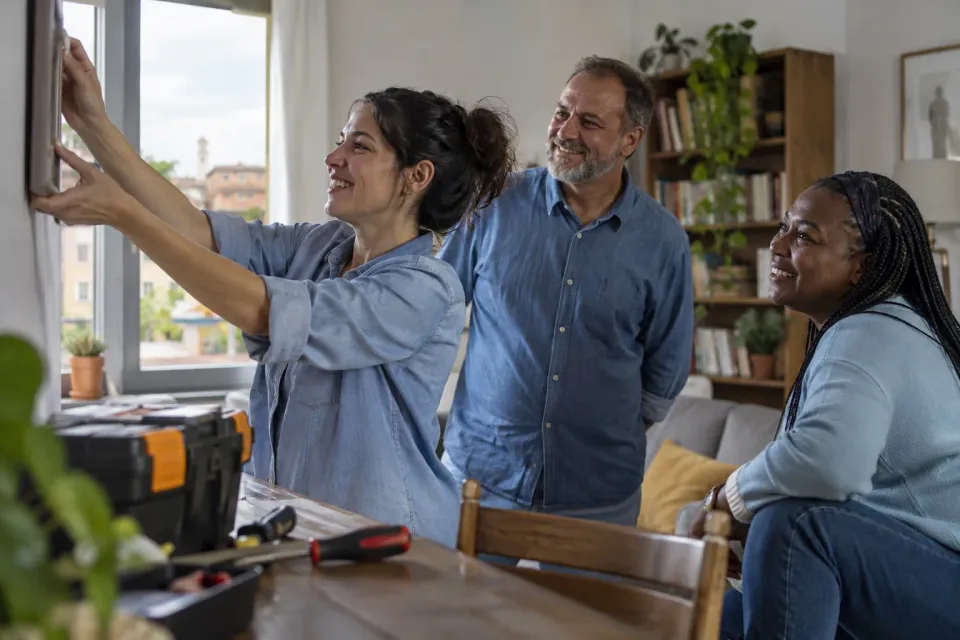
Image Info · AI
AI-generated illustration. The people depicted are imaginary.
Let's talk about this service.
To learn more about the project or propose a collaboration, contact FACEWORK . Admission to the CAS is through assignments from the Turin Prefecture.