European Pact on Migration and Asylum: Understanding Procedures, Protecting People
The new European Pact on Migration and Asylum changes the framework for people seeking protection and the services that support them. For FACEWORK , knowing the rules means being able to explain the steps, recognize needs, and direct them to the relevant professionals and institutions.
A new phase from June 12 2026
The Council of the European Union adopted the Pact on 14 May 2024. The implementation of the new rules began on 12 June 2026 : the framework includes screening, asylum procedures, reception conditions and the management of responsibilities between states.
The FACEWORK communication of June 16 2026 was born in this phase of change. The summary helps guide the process; however, the actual application process depends on the individual's situation, the applicable procedure, and the authorities' guidance.
Screening and access to protection
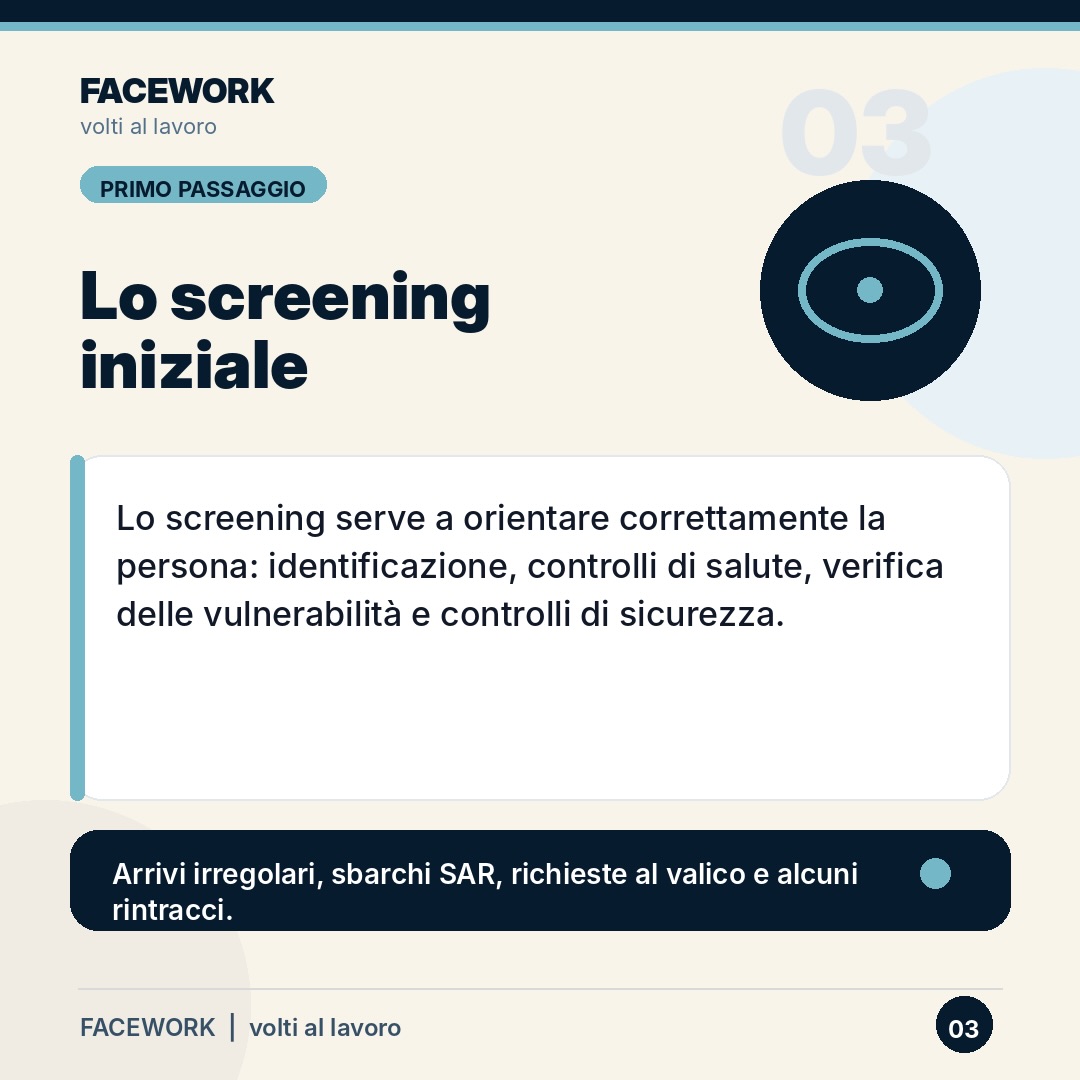
Screening concerns certain situations of irregular entry and certain cases of people being apprehended within the territory. It includes identity, health, vulnerability, and security checks and serves to direct the individual to the appropriate procedure. It does not constitute a decision on whether to grant international protection.
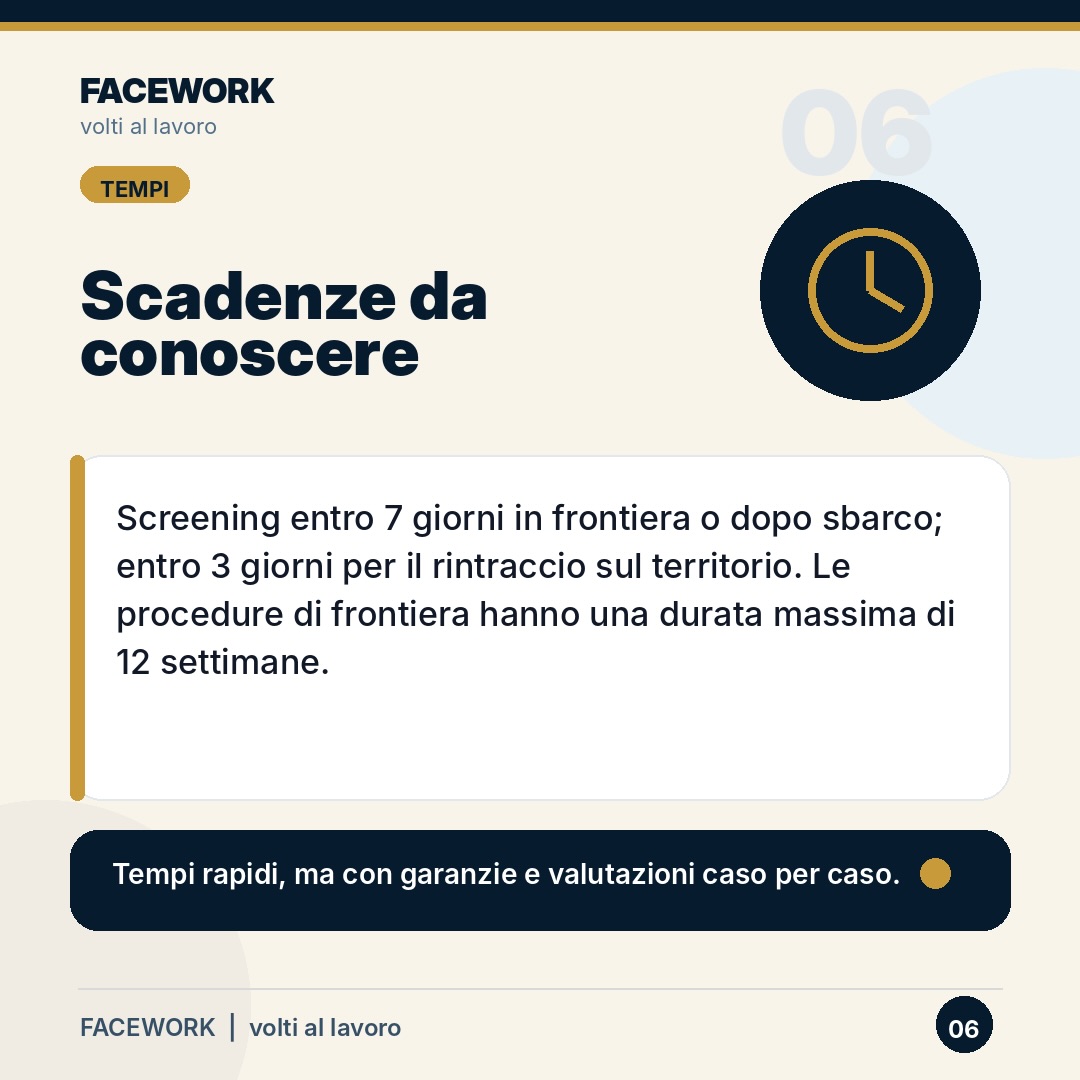
According to the Council's presentation, border screening can last up to seven days; in the specified cases of apprehension within the Union, the deadline is three days. These deadlines relate to this step, not the overall duration of the asylum process.
From the request to the examination of the application
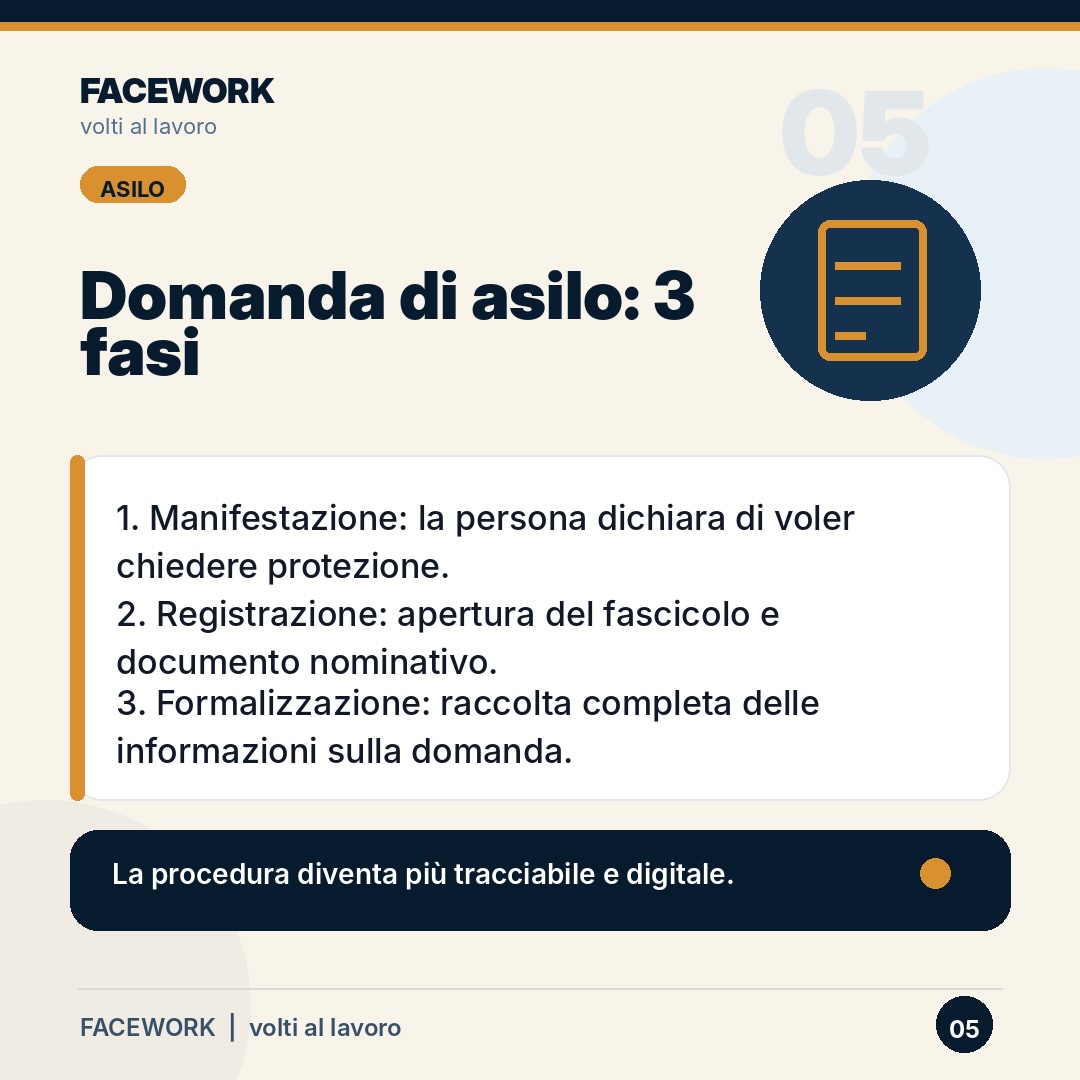
Expressing your desire to seek protection, registering the application, and formalizing it are distinct steps. Understanding the difference helps you understand what has already been done, which document has been issued, and what steps are required next.
The timeframes must also be read in context. The twelve-week limit mentioned in the summary concerns the asylum procedure at the border. The repatriation procedure at the border is separate and can last an additional twelve weeks; specific provisions are also in place for exceptional situations.
Safeguards must be understandable
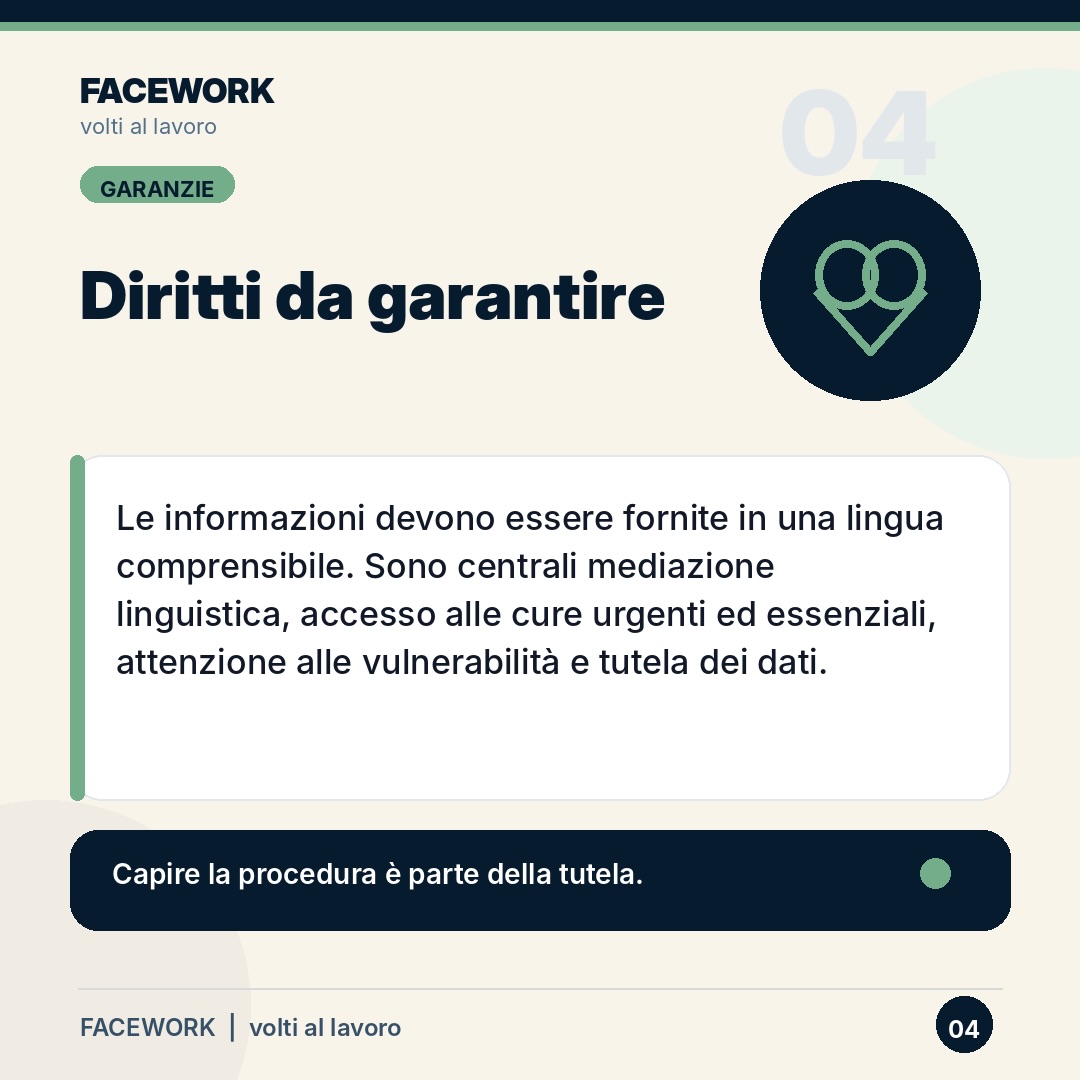
Screening information must be provided in a language the individual understands or can reasonably be expected to understand. European sources emphasize the protection of health and essential needs, data protection, and attention to the best interests of minors.
In reception work, these principles require concrete attention: explaining the meaning of an appointment, verifying that information has been understood, facilitating mediation, and highlighting needs that require a qualified assessment. The speed of a procedure does not make individual situations equal.
FACEWORK’s role in providing guidance
Reception, linguistic mediation, and support help make a complex system understandable. The operator can support understanding and connection with services; legal assessments and decisions on applications are the responsibility of the entities designated by law.
To learn more about our work, you can learn about FACEHUMANITY and the support we offer for legal procedures and guidance . For individual situations, please consult the competent authorities and qualified professionals.
The original graphics of the communication ( 8 )