Welcoming and protecting people: a day of training in Turin
Feeling safe also depends on the spaces where people live, having privacy and how they can seek help. On November 4, 2026, an afternoon of training with UNICEF and UNHCR in Turin explored mitigating the risk of gender-based violence and protecting children and adolescents in reception settings. Sharon, a social support worker at FACEWORK, attended the session.
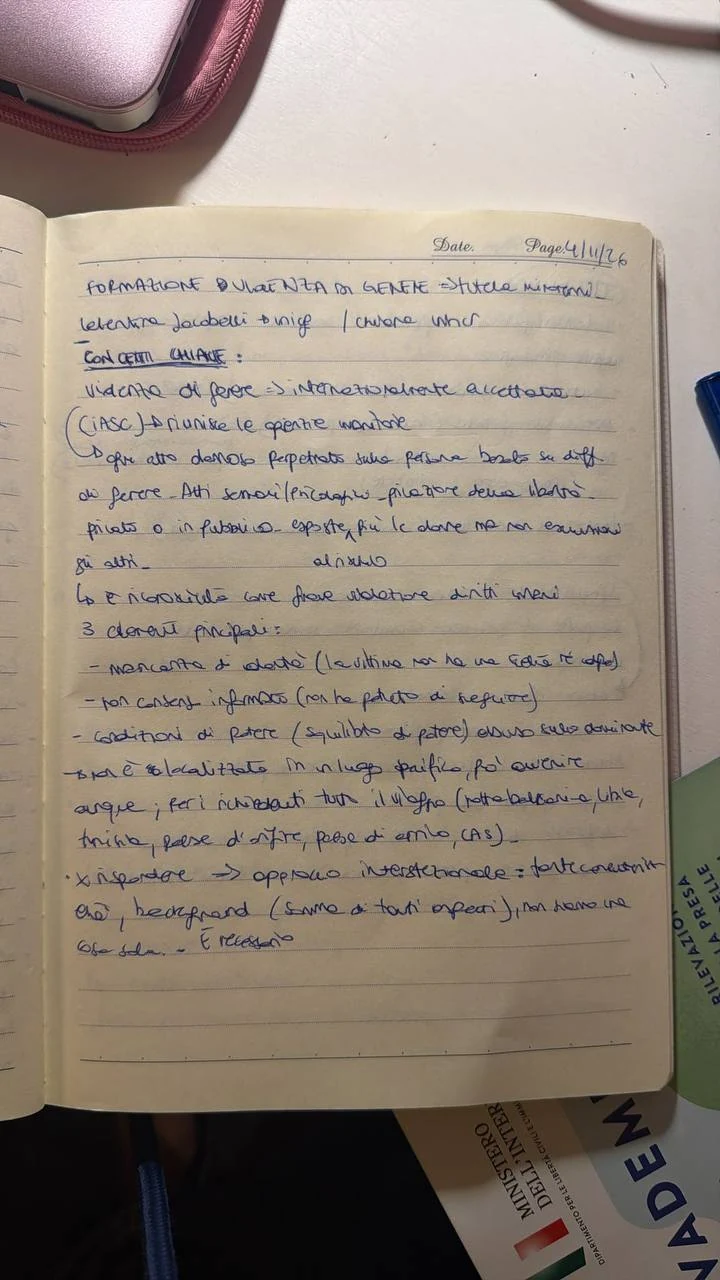
Training for people working in reception and support
The session was aimed at the Prefecture of Turin, reception providers and implementing organisations. It focused on a practical responsibility: organising reception services to reduce the conditions that can expose people to violence and make protection more accessible.
Mitigating risk means addressing aspects of a service that can increase exposure to violence or make it harder to seek help. A bathroom door that locks from the inside, private spaces and clear information about reporting channels are examples of these measures. Maintaining a lock is therefore also part of caring for the safety and dignity of the people living in a place.
Recognizing risks in the helping relationship
Physical, sexual and psychological violence is not always recognised by those nearby. It can remain hidden amid fear, pressure or worries about losing support. The training also addressed exploitation and abuse, focusing on the power imbalances that can affect a relationship of support.
For those working in reception and support, this also means reflecting on their own role. Access to a service or a right must not depend on a personal favour or closeness to one particular worker. Clear professional boundaries help protect people’s freedom, especially when they have few resources or find it hard to navigate the services around them.
Listen without adding more pain
Among the principles discussed, do no harm runs through every step. Even a well-intentioned intervention can have negative consequences if it overlooks the person’s own pace, safety or wishes.
In the exercises, the transition from listening to helping became a concrete issue: avoiding the person having to repeat their experience with multiple interlocutors, explaining the possible steps, and involving the relevant professionals. Confidentiality and informed consent accompany this process, along with knowledge of safeguarding procedures.
Protecting minors begins with listening
A significant portion of the afternoon focused on minors. Their best interests must guide decisions, along with their right to be heard and to receive information appropriate to their age and ability to understand.
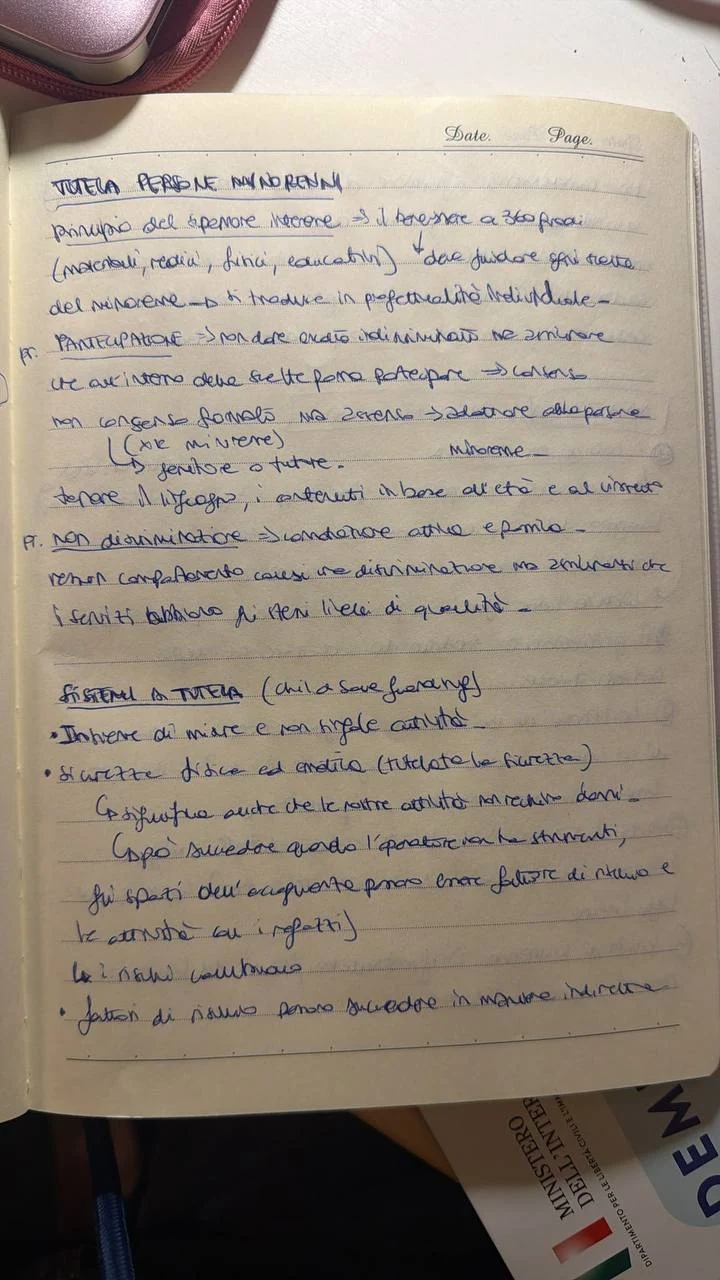
Even a simple question requires suitable words, time and someone the person can trust. Language, age and disability can create different barriers. Children’s and adolescents’ participation therefore involves how adults listen and explain decisions, as well as the safety of the places where they live.
Help within reach
A service can exist without being truly accessible. The training highlighted the need to know local contacts and understand what hinders access: information that is hard to understand, language barriers and unclear pathways. Centres supporting people affected by violence, health and social services, and anti-trafficking organisations form a network that support workers need to know how to connect.
Information in several languages also helps people find where to seek support. In Italy, 1522 offers a listening ear and guidance for violence and stalking; the national anti-trafficking helpline 800 290 290 is a point of contact for people experiencing trafficking and exploitation. Both are free and operate 24 hours a day.
Bringing questions into teamwork
The technical note proposes tools to embed these measures in the organisation of a service: a code of conduct, procedures for receiving and reviewing reports, a provider self-assessment checklist and a map of local services. It also proposes a safety audit, intended for Prefectures and municipalities, which combines observation of the premises with listening to residents and staff.
For FACEWORK, which works in CAS reception in Turin and the surrounding area, the day offers tools to explore further within the team. Self-assessment can help identify areas for improvement and, by revisiting the same questions over time, establish what has changed. An outside perspective can also reveal things that people working in a service every day may find less visible: an opportunity for dialogue to consider as part of ongoing improvement.
For further information: the Technical Note and the operational tools (PDF, UNHCR).